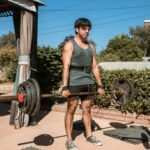
How To Plan Your Meals For Effective Exercise

Proper nutrition and exercise go hand in hand. Eating the right foods can energize your workouts and speed up muscle recovery. It’s all about balance and timing when it comes to what you consume.A balanced intake of macronutrients—proteins, carbs, and fats—is vital. Proteins help rebuild muscles, carbs provide energy, and fats support cell function. The right combination can significantly boost your performance.Hydration often gets overlooked, but it’s crucial. Water makes up about 60% of your body and plays a role in nearly every bodily function, including temperature regulation and muscle performance. Keeping hydrated can enhance endurance and improve overall exercise efficiency.Timing your meals can affect how your body uses energy during workouts. Eating a meal high in carbs and protein around 2 to 3 hours before exercising gives your body what it needs to perform well and recover quickly. Snacks like a banana or a handful of nuts about 30 minutes before you start can also give you a quick energy boost, ensuring your body is ready and raring to go.

Creating a Comprehensive Meal Plan: Essentials for Fitness Enthusiasts

Designing a balanced meal plan is a game-changer for optimizing fitness results. It’s about understanding your own needs and how different foods impact your body and energy levels.To get started, consider your metabolism, activity levels, and fitness goals. Someone aiming to build muscle will have different needs than someone focusing on endurance. Tailoring your meal plan to these goals ensures you’re giving your body the right fuel.For example, carbohydrate-rich meals before workouts can enhance performance, while protein-rich meals after exercise support muscle recovery. Creating a mix between these, spread throughout the day, keeps energy levels stable.Sample meal plans can help guide you, whether you’re hitting the weights or gearing up for a long run. For strength training, a breakfast with eggs and toast, a lunch rich in grains and vegetables, and a dinner with lean meat and veggies covers the bases. Tailor your snacks, like a yogurt or a piece of fruit, to fit the time of your workouts to keep energy flowing.It’s also crucial to listen to your body and adjust as needed. No meal plan is one-size-fits-all. Consider any dietary restrictions, like gluten intolerance or veganism, and adjust recipes accordingly to maintain the balance you need.

Exploring Nutrient-Rich Foods for Peak Performance

Optimal performance comes from eating foods rich in essential nutrients. These foods not only support your workouts but also contribute to overall health.Key nutrient-dense foods, like leafy greens, whole grains, and lean proteins, provide a range of vitamins and minerals. They help maintain energy levels and enhance recovery after exercise.Steer clear of fad diets that often eliminate entire food groups or advocate extreme calorie restrictions. Instead, focus on foods backed by science, like those full of fiber and healthy fats, which have been shown to sustain energy and keep hunger at bay.Fiber-rich foods, such as oats, beans, and vegetables, can stabilize your energy supply, releasing it steadily throughout the day. This prevents the dreaded energy slump and helps maintain focus during workouts.Smoothies and protein shakes can be powerful additions, offering concentrated nutrition that’s quick to prepare. They can be customized with various ingredients, such as fruits, seeds, and protein powders, to match your dietary needs and preferences.

The Role of Supplements and Snacking

Supplements can be a useful addition, but aren’t always necessary for everyone. It’s important to understand when they could be beneficial. For example, those struggling to meet protein requirements through food alone might consider protein powders.Before hopping on the supplement bandwagon, weighing the pros and cons is key. Some supplements can help fill nutritional gaps, but misuse can lead to unwanted side effects. It’s a good idea to consult with a dietitian or nutritionist to tailor choices to your specific needs.Snacking smartly supports your exercise and recovery regimen. Healthy choices like nuts, yogurt, or a piece of fruit can prevent energy dips throughout the day. Timing is crucial—snacking about an hour before a workout can keep your energy up, while snacking after a workout aids recovery.Portion control matters. Over-snacking, even on healthy options, can lead to unneeded calorie intake, which might affect fitness goals.In the world of fitness, combining the right supplements and snacks with a balanced diet boosts results. Staying informed and making mindful choices keeps your nutrition aligned with your exercise objectives.

The Connection Between Nutrition And Weight Loss

https://weightliftingforpower.com/the-connection-between-nutrition-and-weight-loss/

Nutrition  And Weight Loss is all about what you eat and how it fuels your body. It consists of macronutrients like carbohydrates, proteins, and fats, which provide you with energy. Micronutrients like vitamins and minerals keep your body functioning smoothly. Together, these components are crucial for maintaining health and managing weight. At the core of weight loss is the idea of energy balance. It’s all about the calories you consume versus the calories you burn.

Nutrition And Weight Loss

Taking in more energy than you use can lead to weight gain. Burning more than you eat can lead to weight loss. Sounds simple, right? But there’s a bit more to unravel here. Metabolism plays a key part in how your body uses the energy from your food. It’s like your internal engine, burning through calories. A well-functioning metabolism can aid in effective weight loss, but it’s influenced by a mix of genetic, environmental, and lifestyle factors.

Nutrition And Weight Loss

Many people fall for diet fads that promise quick fixes. But beware, these often misunderstand or misrepresent how nutrition actually influences weight. They’re shortcuts that rarely lead to sustainable weight management. Understanding the science of nutrition can help you avoid these misconceptions and make wiser choices. When it comes to achieving goals related to Nutrition And Weight Loss, knowledge is power.

Macro and Micronutrients: The Building Blocks of a Weight Loss Diet

This section will delve deeper into the relationship between Nutrition And Weight Loss.

Carbohydrates, proteins, and fats play distinct roles in how your body manages weight. Carbs are often seen as the enemy, but they serve as your body’s primary energy source. The key is choosing complex carbs, like whole grains, to keep energy steady and avoid blood sugar spikes.

Proteins are your allies in weight loss because they help build and repair muscles, which in turn burn more calories even while you’re resting. Including lean meats, beans, and tofu in your meals can really make a difference. Fats, often misunderstood, are actually essential.

They help you absorb vitamins and provide long-lasting energy when chosen wisely, such as avocados and nuts. Vitamins and minerals, the often overlooked micronutrients, are crucial in regulating your metabolism and overall health.

Iron keeps your energy up, while calcium is vital for bone strength. These nutrients support your body in more ways than one, including weight management.

A diet that’s all about balance, tailored to your body’s needs, can effectively support your weight loss efforts. It’s about getting the right mix of macros and micros, not just cutting calories.

Nutritional deficiencies can hide behind an unwanted stall in weight loss. Eating a variety of nutrient-rich foods can prevent these setbacks. Balancing these nutrients in your diet might take some practice, but it’s essential for creating a sustainable path to weight management.

Eating Patterns and Their Impact: Beyond Calories

There’s more to weight loss than just counting calories. Different eating patterns can influence how effective your journey will be. Consider how intermittent fasting, keto, or the Mediterranean diet might work for you.

Calories aren’t just numbers; they’re tied to emotions and psychological triggers. Stress eating or skipping meals when anxious can derail your progress. Being mindful of these habits and finding healthier coping strategies is key to long-term success.

It’s about tuning in to your body, watching how different approaches make you feel, and finding what fits your lifestyle.

Each presents unique ways of managing energy intake and expenditure. Meal timing and frequency also play a part. Some folks find success with small, frequent meals, while others thrive on fewer, larger meals.

Nutrition for Lifestyle: Customizing for Effective, Sustainable Weight Loss

Creating a nutrition plan that works for you is the ticket to achieving and maintaining weight loss. The one-size-fits-all approach doesn’t fly when it comes to diet. Listening to your body and adjusting your eating habits to meet your specific needs leads to better results.

Find an activity you enjoy—be it walking, cycling, or dancing—so it feels more like fun than a chore.

Pairing good nutrition with physical activity boosts your weight loss efforts. Regular exercise doesn’t just burn calories; it improves your metabolism, making the whole process more effective.

The more you learn, the easier it gets to pick options that align with your goals. Staying mindful of what you eat, savoring each bite, and understanding your cravings contribute to a healthier relationship with food.Professional guidance can keep you on track. If you’re struggling, consulting a dietitian or nutrition expert can offer tailored advice to keep your meals effective and satisfying. It’s about continuous learning and adapting, ensuring that your weight loss journey isn’t just a phase but a lifestyle change.

https://amzn.to/45q5hsa


http://www.wikipedia.org

https://amzn.to/3YXcz2U

Carbohydrates And Exercise: Fueling Your Workouts

Carbohydrates are a primary fuel source during exercise, crucial for maintaining energy levels. But not all carbs are created equal, and understanding the differences can make a real difference in your workout outcomes. Let’s break it down a bit to get the full picture.There are two main types of carbohydrates: simple and complex. Simple carbs, like those found in sugary snacks, are quick energy sources. They get into your bloodstream fast, giving you a rapid spike in energy. On the other hand, complex carbs, found in whole grains and vegetables, break down more slowly. They offer a steadier energy release over a longer time.When you consume carbohydrates, your body converts them into glucose, a type of sugar that your muscles use for energy. Not used right away? Your body stores this glucose as glycogen in your liver and muscles. This stored glycogen serves as a reserve, tapping into it when you’re pushing through an intense workout.For endurance-centric activities, glycogen storage becomes even more significant. If you’re into long-distance running or cycling, having full glycogen stores can help delay fatigue and keep your energy up throughout your session. Running out of glycogen often leads to a feeling of hitting a wall, with fatigue setting in rapidly and performance dropping.

Timing Your Carb Intake for Maximum Performance

Knowing when to eat carbs can impact how you perform during workouts. Let’s explore the best timing to optimize energy levels.Eating carbs before a workout is often recommended. But how much and when? Ideally, aim for a carb-rich meal 2-4 hours before you exercise. This allows your body to digest the food and provide energy. You can have a small snack closer to the workout, about 30-60 minutes beforehand, to top off your glycogen stores.After working out, your body needs to replace the energy it just burned. Consuming carbs soon after can help replenish glycogen stores and boost recovery. A mix of carbs and protein in your post-workout meal gets the recovery process going. This is especially important if you’re doing high-intensity or endurance exercise daily.Workout intensity and duration also play a role in carb timing. For a short workout, a small snack might be enough. But for long, grinding workouts, having a more substantial meal beforehand ensures you have the stamina to keep going. Adjusting carb amounts based on activity helps maintain performance throughout your training.

Choosing the Right Carbs for Optimal Energy

Not all carbs affect energy levels the same way. The glycemic index (GI) helps explain these differences. Foods with a high GI increase blood sugar levels quickly, giving an immediate energy boost, but they might not sustain energy for long. Low GI foods are digested more slowly, keeping energy levels steadier over time.Balancing fast-acting and slow-releasing carbohydrates can help tailor energy to your workout needs. For quick bursts of energy, such as during a sprint, high-GI foods like white bread or bananas work well. For extended activities like a marathon, incorporating low-GI foods like oats or sweet potatoes helps maintain energy longer.Healthy sources of carbohydrates make a difference in how you feel and perform. Whole grains, fruits, and vegetables offer vitamins, minerals, and fiber along with carbs—all vital for keeping energy up. They support overall health and ensure your body functions optimally during physical activity.

Personalizing Carbohydrate Strategies for Different Exercise Goals

Carbohydrate needs can vary based on your fitness goals. If you’re focused on losing weight, watching carb intake might be beneficial. Opt for nutrient-dense carbs that provide sustained energy without excess calories. Portion control and choosing lower-calorie options can align with weight management efforts.When the goal is muscle gain, more carbohydrates can provide the energy needed for intense strength training. A higher carb intake helps fuel workouts and supports muscle recovery. Carbs also help stimulate insulin release, a hormone that supports muscle repair and growth.For those experimenting with low-carbohydrate diets or ketogenic strategies, careful planning is crucial. It’s important to balance the decreased carb intake with increased consumption of healthy fats. While some find success with this approach, others might notice a dip in performance, especially in high-intensity exercise. Monitoring how your body responds and adjusting accordingly is key.Tracking your carbohydrate intake can be insightful for improving athletic performance. Various apps and tools make it easier to measure nutrient consumption and tweak as needed. Paying attention to how different carb strategies align with your personal goals helps optimize both health and exercise outcomes.

Nutrition Tips For Pre And Post Workout

Nutrition plays a pivotal role in reaching any fitness and wellness goals. It isn’t just about eating less or cutting calories. It’s about fueling your body to enhance performance, support recovery, and improve overall health. Athletes and fitness enthusiasts need to pay close attention to their dietary choices.Let’s talk about macronutrients—proteins, carbohydrates, and fats. They serve as the foundation for energy and recovery. Carbohydrates are vital because they are the primary fuel for exercise. Whether you’re sprinting or lifting weights, carbs give you the energy to push through. Proteins, on the other hand, aid in muscle repair and growth, which is crucial if you want to get stronger or more toned. Fats, often misunderstood, are also necessary, as they support endurance activities and hormone production.Then there’s the often-overlooked micronutrients, like vitamins and minerals. They’re essential for overall well-being and play specific roles in keeping an active body functioning optimally. Iron, for example, is crucial for oxygen transport, while magnesium assists in muscle contraction and relaxation. Without enough of these vital nutrients, performance can suffer.Hydration can’t be stressed enough. Staying well-hydrated helps your body function efficiently. Water serves as a transport medium for nutrients, regulates body temperature, and is key for joint lubrication. Even a slight decrease in fluid levels can lead to diminished performance and increased fatigue during exercise.

Pre-Workout Nutrition Fuel: Optimizing Energy and Endurance

Eating at the right time before a workout can significantly impact your performance. Timing is key here. Eating too close to bedtime might leave you feeling sluggish, while eating too early might leave you without enough energy. Aim to eat a balanced meal about 2-3 hours before exercising. If you’re short on time, a small snack 30 minutes to an hour before can work too.Carbohydrates play a starring role before exercise. Fast-digesting carbs like fruits or a small bowl of cereal can give you a quick energy boost, while slow-digesting carbs like oatmeal help sustain energy levels throughout your workout. It’s about finding that balance that works best for your body and exercise routine.Protein isn’t just for after workouts. Having a modest amount of carbohydrates before exercise helps prevent muscle breakdown and aids recovery. Think about lean sources like chicken, fish, or plant-based options if you’re vegan.Let’s not ignore hydration. It’s essential to be well-hydrated before starting any physical activity. Drinking water or a sports drink an hour before helps maintain fluid balance and ensures that you’re ready to give your best.Many people worry whether consuming fats before a workout is good or bad. While it’s not advisable to have heavy, greasy meals, small amounts of healthy fats, like avocado or nuts, can keep those hunger pangs at bay without slowing you down.

Post-Workout Recovery: Replenishing and Repairing the Body

After a workout, the body enters a state where it craves nutrients to repair and replenish. This is often referred to as the metabolic window, a crucial period where nutrient intake can significantly influence recovery and adaptation.Proteins are front and center post-exercise. High-quality sources of protein, such as lean meats, eggs, and plant-based options like tofu and legumes, help repair the tiny tears in muscle fibers caused by exercise, promoting recovery and growth. It’s advisable to consume protein within two hours of your workout to maximize benefits.Carbohydrates also have a significant role in post-exercise nutrition. They help replenish glycogen stores depleted during physical activities, ensuring you’re ready for the next session. Whole grains, sweet potatoes, and fruits are excellent choices for a post-workout meal or snack.Antioxidants, found in fruits and vegetables, help reduce inflammation and speed recovery. Incorporating a variety of colorful produce not only supports recovery but also boosts overall health.Hydration remains critical after exercise. Replacing lost fluids with water or a sports drink is necessary to restore balance and support metabolic functions. Some prefer drinks that contain electrolytes, as they help replenish the minerals lost through sweating and enhance recovery.

Crafting a Personal Nutrition Plan: Tips for Each Fitness Level

Creating a nutrition plan that’s tailored to your fitness level and goals can make all the difference. Whether you’re just starting out or are a seasoned athlete, customizing your diet to suit your specific needs ensures you’re getting the most from your workouts.For those new to fitness, focusing on balanced meals rich in whole foods is a great starting point. Emphasis should be on learning how to fuel your body effectively without feeling overwhelmed. It’s more about consistency than complexity for beginners.If you’re at an intermediate level, you might want to fine-tune your diet, paying attention to nutrient timing. Consuming the right nutrients around your workouts, as discussed earlier, can really take your performance to the next level.Advanced individuals often benefit from detailed meal plans that may include tracking macronutrients and, if necessary, considering supplements. This level usually requires a more in-depth understanding of how specific foods affect your performance and recovery.No matter your level, tools like food diaries or apps can be invaluable in helping you stick to your nutritional goals. They provide insights into your eating habits and can guide necessary adjustments.Consulting with a nutritionist or dietitian is beneficial for personalized advice. These professionals can provide guidance tailored specifically to your body’s unique needs, especially if you have specific health conditions or fitness goals.

Common Diet Mistakes That Hinder Workout Progress

Nutrition isn’t just a side note in your fitness journey; it’s a core component. Think of food as fuel. Just like you wouldn’t put the wrong fuel in a high-performance car, you shouldn’t shortchange your body when it comes to what you eat. Your workout progress depends a lot on the nutrients your body gets. No Olympic athlete has ever said they achieved their goals without intensely monitoring what they eat.Many folks hit the gym hard, aiming for that perfect physique, but then backslide on their goals by ignoring their nutritional needs. Poor nutritional choices stop muscle growth in its tracks and slow recovery to a crawl. A diet lacking in essential nutrients is like trying to build a house with clay rather than bricks—it’s not going to stand the test of time.Understanding the basics of nutritional needs for anyone active is a game-changer. This means diving into proteins, carbs, fats, vitamins, and minerals—all the stuff your body craves after a sweat session. Getting these basics right sets the foundation for whether you hit a workout plateau or break through it. So, if you’re serious about your fitness game, know that your diet plays a starring role. Every well-thought-out meal inches you closer to where you want to be.

Mistake 1: Neglecting Pre-Workout Nutrition

Pre-workout nutrition is often misunderstood. Folks think hitting the gym on an empty stomach burns more fat, but that’s a misconception. When you skip a meal before exercise, you’re likely running on fumes, which can kill your energy and focus. Before you know it, you’re cutting your workout short because you’re too tired or, worse, feeling dizzy.Carbohydrates and proteins are crucial before exercising. Carbs are your body’s quick energy source, essential for intense sessions. Meanwhile, a bit of protein gets those muscle-friendly amino acids circulating, setting the stage for muscle repair even before the sweat starts to drip.Finding the right pre-workout snacks or meals isn’t rocket science. Think of a banana with peanut butter or a small bowl of oatmeal topped with some nuts. Keep it light; no need for a huge meal that could weigh you down. It’s about fueling up efficiently so you have the stamina and zest to crush each rep in the gym.By understanding and optimizing your pre-workout nutrition, you’re setting yourself up for a workout that’s not only productive but also enjoyable. When your body is properly fueled, those weights feel lighter, and cardio doesn’t seem like a chore.

Mistake 2: Skipping Post-Workout Recovery Meals

After a tough workout, your body is in recovery mode, craving the right nutrients to repair and strengthen itself. Skipping your post-workout meal is like leaving a construction site without the tools to finish the job. You give your muscles fuel for growth, but the absence of the right nutrients slows everything down.The anabolic window theory highlights the importance of nutrient intake directly after exercising. This window, a period where your body is especially receptive to nutrients, is often misunderstood or completely ignored. Giving your body what it needs during this magic time enhances muscle repair and growth.An effective post-workout meal isn’t just about protein; although protein is crucial, carbohydrates play an equally important role in replenishing what you burned. Throw in some water, and you’re on track to help your body bounce back, ready to take on the next challenge.Stock your kitchen with post-workout essentials. Think grilled chicken with quinoa or a protein shake with a banana. The right mix of protein and carbs replenishes glycogen stores, boosts protein synthesis, and gets those muscles ready for action again.Focusing on post-workout nutrition can make a world of difference in your fitness journey, ensuring that you’re not just maintaining but constantly enhancing your performance with each session.

Mistake 3: Falling for Fad Diets and Over-Restrictive Eating

Fad diets promise quick fixes, often at the expense of your long-term fitness goals. These diets can be overly restrictive, leading to nutritional deficiencies that zap your energy and stall progress. Chasing the latest diet trend might seem tempting, but it’s important to question whether it’s sustainable for you.Under-eating is one of the traps many fall into, especially when trying to shed pounds. Although eating less can lead to weight loss, it can also rob you of muscle mass and energy. Your body needs a baseline of calories and nutrients to function properly, especially when you’re breaking a sweat regularly.Designing a sustainable diet is all about balance. Rather than cutting out entire food groups, focus on variety and moderation. Include a mix of proteins, healthy fats, and whole grains. Fresh fruits and vegetables offer vitamins and minerals essential for recovery and performance.Tailoring your diet to your specific fitness aspirations is crucial. Are you looking to build muscle or increase stamina? Your nutritional needs will vary accordingly. Engaging with a nutritionist or doing some serious research can help craft a plan that fits your lifestyle and goals.With a balanced approach, you avoid the yo-yo effect of fad diets and set yourself up for lasting success, both in and out of the gym. When you align your eating habits with your workout goals, you create a powerhouse combo that propels you forward on your fitness journey.

The Role Of Protein In Muscle Recovery And Growth

Protein is the unsung hero in the world of muscle recovery and growth. As the primary building block of muscle tissue, it’s crucial for maintaining and repairing muscle fibers after the wear and tear of exercise. Without adequate protein intake, the body struggles to repair these fibers, which is where it all begins.Muscle protein synthesis is a critical process that relies heavily on the protein we consume in our diets. This process is all about building new proteins that help create and repair muscle tissue. When you work out, especially in activities like weightlifting, you cause tiny tears in your muscle fibers. Protein helps stitch these back together, making them stronger in the process.Think of protein as your body’s repair crew, diligently patching up micro-tears and fortifying your muscles. It aids recovery by providing the amino acids your body can’t produce on its own. This is why incorporating enough protein in your diet is non-negotiable if you’re looking to improve muscle tone and strength.The reason why protein is so effective in promoting muscle recovery and strength is its ability to kickstart satellite cell activity. Satellite cells are instrumental for growth as they merge with muscle fibers, contributing to their enlargement and repair. All of this underscores why protein should be front and center in anyone’s muscle-maintenance strategy, particularly after intense physical activity.

How Protein Intake Supports Muscle Recovery

After a hard workout, muscles are crying out for some serious TLC. It’s that post-exercise period when muscles have been stressed, leading to tiny injuries that need mending. Getting enough protein at this stage is like giving your muscles a much-needed support crew to start the repair process.Timing plays a significant role in optimizing muscle recovery with protein. Eating protein shortly after exercise, typically within a 30- to 60-minute window, can enhance the body’s ability to repair and rebuild muscle tissue. This period is often called the ‘anabolic window.’ While recent studies suggest this window might be wider than we once thought, getting some quality protein soon after a workout remains a good strategy to kickstart recovery.When you consume protein post-exercise, it initiates a cascade of physiological processes that help reduce muscle soreness and improve recovery. Enzymes within the body stimulate muscle repair and growth, replenishing glycogen stores and enhancing your overall endurance. Protein helps to balance your energy levels and reduce the likelihood of muscle fatigue during future workouts.Protein doesn’t just support the mending of muscle fibers; it stabilizes the body’s nitrogen balance, which contributes significantly to creating an environment conducive to muscle growth. The magic happens when amino acids flood into your bloodstream and get to work repairing every small tear experienced during your training session.Getting your protein intake right is more than just about the quantity. It’s about timing and understanding how bodies heal. Protein helps you bounce back more effectively, setting the stage for your muscles to grow stronger and minimizing the chances of overtraining injuries.

Protein Requirements for Muscle Growth: How Much Is Enough?

Getting your protein levels right is a game-changer for achieving those muscle-building goals. But how much is truly enough? Understanding daily protein needs can make the difference between flat-lining in progress and making those gains you’ve been grinding for.There are a bunch of factors that influence how much protein you should aim for every day. Everything from age and gender to the intensity of workouts and personal fitness goals plays a part. Generally, those heavily involved in intense training might need more protein compared to someone with a more laid-back approach to fitness.As a rule of thumb, active individuals might aim for about 1.2 to 2.0 grams of protein per kilogram of body weight. For someone weighing around 70 kg, this could mean aiming for between 85 to 140 grams of protein daily. The goal here is to fuel the body adequately to support muscle recovery and growth without either falling short or overdoing it.Beyond simply counting grams, not all protein sources are created equal. The bioavailability, or the degree to which the protein can be absorbed and utilized by the body, varies. Lean meats, dairy, eggs, and fish are usually praised for their complete protein profiles. Meanwhile, plant-based proteins like beans, lentils, and tofu often need to be combined to cover the essential amino acid profile.Navigating the world of protein can feel a bit overwhelming at first, especially with so many dietary preferences and choices. Focusing on incorporating a mix of protein sources throughout the day can be a practical approach to meet individual needs while supporting effective muscle recovery and growth.

Choosing the Right Type of Protein for Maximum Benefits

With countless protein options, picking the right ones can feel like navigating a maze. Whether you’re eyeing animal-based proteins or eyeing plant-based choices, knowing what works best for your body can make all the difference in reaching those fitness aspirations.Animal proteins, such as chicken, fish, and eggs, are often celebrated for their complete amino acid profiles, which support muscle recovery and growth. These sources usually have high bioavailability, meaning your body can easily absorb and utilize them. This makes them a popular choice for many aiming to gain muscle effectively.However, looking plant-based? Proteins from sources such as beans, legumes, and quinoa also provide essential nutrients. While they might require some combining to hit the amino acid jackpot, their lower fat content and additional fiber add more variety and balance to a meal plan.In the protein realm, supplements are critical and have become increasingly popular. Whether it’s whey, casein, or plant-based powders, each type brings its own pros and cons. Whey is known for its quick absorption, making it a favorite post-workout choice, while casein offers a slow-release option, perfect for nighttime recovery.When choosing protein, the goal should always be balance and diversity. Switching things up throughout the week can ensure you’re not only meeting your protein needs but also benefiting from a range of nutrients from different sources. It’s all about finding what blends best with your lifestyle and dietary habits while effectively promoting recovery and muscle growth.

The Best Foods To Eat Before A Workout

Eating right before a workout can make all the difference in how you feel and perform. Think of your body like a car; if you don’t give it the right fuel, it won’t run as it should. A pre-workout meal or snack can provide the energy needed to power through your exercise session and help you recover afterwards.So, what should you be focusing on exactly? Well, macronutrients—carbs, proteins, and fats—play a big role here. Carbs are your body’s go-to for quick energy. They’re what your muscles burn during high-intensity workouts. Proteins are crucial, especially for muscle repair and growth. Fats can provide a more sustained energy source for longer, lower-intensity activities.Now, you might wonder, how do you know how much to eat? This really depends on your personal calorie needs, which differ based on things like your body weight, the intensity of your workout, and your fitness goals. There are tools and professionals who can help you figure this out, but having a rough idea based on your current fitness level and plan is a great start.Timing is another key aspect. Eating too soon before a workout can feel uncomfortable, but waiting too long can leave you sluggish. Aiming to eat about 1 to 3 hours before you hit the gym is a general rule of thumb, giving your body enough time to digest and start utilizing those nutrients effectively.

Energizing Carbohydrates: The Powerhouse Macronutrient

Carbohydrates are like the turbo boost for your workout. These energy-packed nutrients are the most efficient fuel for intense activities. They break down into glucose, which powers your muscles and brain. Before exercising, stocking up on carbs can give you the stamina needed to push through.You have plenty of options for carb-rich foods. Look at oatmeal, whole grain bread, bananas, and sweet potatoes as top choices. They’re not only loaded with carbohydrates but also packed with fiber and other nutrients, offering a wholesome energy boost.Understanding the difference between complex and simple carbs can help you choose wisely. Complex carbs, found in whole grains and legumes, provide a slow and steady release of energy, perfect for longer sessions. On the other hand, simple carbs, like those in fruits, deliver quick bursts of energy, ideal for short, high-intensity workouts.How much should you consume? It hinges on the length and intensity of your workout. For a short, high-intensity routine, you might need a small amount of quick-digesting carbs, whereas longer endurance workouts require a more substantial intake. Timing your carb intake around your workout can optimize performance and energy levels throughout your session.

Protein’s Role in Muscle Performance and Recovery

Protein is crucial for anyone looking to maximize muscle function and enhance recovery. Before hitting the gym, getting a bit of protein helps minimize muscle damage and boost growth. It’s like giving your muscles a head start before they’re put to work.Finding high-quality sources of protein doesn’t have to be complicated. Foods like yogurt, chicken breast, boiled eggs, and even a protein shake can be perfect for pre-workout fuel. These options are easy to prepare and provide the necessary amino acids to support muscle synthesis.The key is balance. While proteins are important, overloading on them and ignoring carbs isn’t ideal. A combo of protein with carbs is often the best way to go, supporting both energy provision and muscle support.So, when is the best time to get your protein fix before a workout? Aiming for about 30 minutes to two hours before your session lets your body digest and use these nutrients effectively. Paying attention to portion size is important too; you don’t want to feel too full or sluggish right before getting active.

Hydration and Essential Nutrients: The Final Pieces of the Puzzle

Hydration is like the silent partner in your workout routine, often overlooked but absolutely critical. Water helps regulate your body temperature and lubricates your joints, reducing the risk of cramps and injuries. Be sure to drink fluids regularly throughout the day, and especially before exercising.Electrolytes, including sodium and potassium, play a major role in maintaining hydration levels. When you sweat during workouts, you lose these essential minerals. Sports drinks can be a good way to replenish them, but for most workouts under an hour, plain water does the trick.Micronutrients, though needed in smaller amounts, are vital before any physical activity. Vitamins and minerals support overall health and energy production. Including a variety of fruits and vegetables in your diet ensures you’re not missing out on these.Choosing the right fluids isn’t just about water. Drinks like coconut water offer a natural source of electrolytes, while a diluted fruit juice might provide both quick energy and a hydration boost.Ignoring hydration can lead to decreased performance and fatigue. Keeping a water bottle handy and sipping little by little rather than gulping large amounts at once helps maintain balance and prevent stomach upset.

Hydration And Nutrition: Keys To Workout Performance

Staying hydrated is a game-changer for effective exercise. Our bodies are mostly water, and even a small drop in hydration levels can hit performance hard. Muscles need water to function properly, so when you’re dehydrated, they don’t work as efficiently. That means your endurance, strength, and even mental clarity can suffer.Dehydration doesn’t sneak up quietly; it makes quite an entrance. Symptoms such as fatigue, dizziness, or cramps during a workout often indicate inadequate fluid levels. These signs shouldn’t be ignored, as dehydration can escalate to more serious conditions. Listening to your body and maintaining consistent fluid intake helps maintain optimal performance.Recovery after a workout often gets overlooked, but it’s crucial to the whole exercise equation. Proper hydration helps repair muscles and replenish energy stores, leading to better recovery. Think of water as a sort of fuel that breaks down nutrients, carries oxygen to cells, and supports overall healing. It’s not just the workout where hydration matters—it’s how you bounce back, too.

The Role of Nutrition in Fueling Workouts

Knowing what you eat and when you eat it can make a big difference in how you perform in your workouts. Carbs, proteins, and fats all play a part in fueling your body. Carbs are your main source of energy, especially for high-intensity training. Proteins are important for muscle repair and growth, while fats provide sustained energy, particularly during longer workouts.Meal timing is critical, and it’s often a balancing act. Eating too close to a workout can cause discomfort, but waiting too long can leave you running on empty. A light meal or snack with a blend of carbs and protein about an hour before exercising can give you a solid energy boost when done right.A nutrient-rich diet does more than just enhance workout performance; it sets the stage for reaching broader fitness goals. Vitamins and minerals support every function in your body, from immunity to energy production. The more nutrient-dense your foods are, the better your body can perform and recover.Mixing things up with whole foods offers more than just energy. They provide the micronutrients that convenience foods often skimp on. Think colorful veggies, lean proteins, and whole grains. It’s about nourishing your body for the long haul, ensuring that your efforts in the gym translate into real results over time.

Strategies for Maintaining Optimal Hydration and Nutrition

It’s one thing to know the importance of hydration and nutrition, but putting it into practice is where it gets real. Listening to your body’s signals is a good starting point. Everyone’s needs are different, depending on factors such as the environment, workout intensity, and individual body composition.Personalized hydration strategies can make a significant difference. Tracking fluid intake and output, monitoring urine color, and checking body weight during workout sessions are practical ways to ensure you’re staying hydrated. Apps and smart water bottles can also help with daily tracking to make sure you’re sipping water throughout the day.On the nutrition front, a personalized meal plan can support your specific fitness goals. Begin by focusing on whole, unprocessed foods and balance the macronutrients to match the type of exercise you’re doing. Meal prepping or working with a dietitian might sound tedious, but it pays off with the energy and resilience you gain during workouts.Supplements can fill in the gaps when whole foods aren’t enough, but they shouldn’t be the sole source of nutrients. They can support your intake of vitamins and minerals, especially if dietary restrictions get in the way. Consult a healthcare professional before introducing new supplements to make sure they’re the right fit for you.Consistency is the name of the game. It’s about creating and sticking to routines that match your lifestyle and workout habits. By keeping tabs on your progress and staying responsive to your body’s needs, you’ll be better equipped to maintain a balanced hydration and nutrition regimen that supports your fitness journey.

Putting It All Together: Craft Your Personalized Plan

Crafting your hydration and nutrition plan isn’t a one-size-fits-all endeavor. It’s more about finding what fits your life and fitness goals best.Start by evaluating your current habits. Jotting down your meals, snacks, and hydration notes can give insight into where changes are needed. Keep track of how you feel before, during, and after workouts for a couple of weeks to get a clear picture. Are you consistently fatigued, or do you notice increased energy levels?Don’t be afraid to tweak your plan. Adjust your water intake and meal timing based on the intensity and duration of your workout. If your energy dips, consider adjusting your carb intake, or if recovery seems slow, ensure you’re getting enough protein.Self-monitoring doesn’t end with adjustments. Regularly check in with your performance and energy levels. Simple journaling or using fitness apps can capture the impact of your hydration and nutrition tweaks on physical performance.Real-life examples of success stories highlight the value of a personalized approach. For some, switching to a more structured meal plan might lead to fewer energy slumps, while for others, hydration adjustments can clear fog and enhance endurance. These examples showcase how a little attention and adaptation can lead to big gains.

Top 10 Weightlifting Belts For Maximum Support During Workouts

https://weightliftingforpower.com/top-10-weightlifting-belts-for-maximum-support-during-workouts/

Top 10 Weightlifting Belts For Maximum Support During Workouts

Weightlifting belts are more than just a fashion statement at the gym. They play a crucial role in supporting the spine and core, especially during heavy lifts like squats and deadlifts. By providing abdominal pressure, these belts help stabilize your core, leading to better lifting form and reduced injury risk.There’s a common belief that weightlifting belts are only for powerlifters. This isn’t true. While they are essential for those lifting heavy weights, anyone looking to improve their posture and performance can benefit from using a belt. It’s about enhancing safety and efficiency, not just who lifts the heaviest.

Understanding the biomechanics of lifting can shed light on why belts are so effective. Think of it this way: a good belt acts like armor for your spine, keeping everything in place and reducing unnecessary strain. This support means you can focus more on the lift itself rather than worrying about potential tweaks or strains.When selecting a belt, comfort is key. You want one that’s adjustable and made from durable materials, so it lasts through all those grueling sessions. A snug fit ensures that the belt does its job without cutting into your skin or being a distraction during a workout.

Top Considerations When Choosing the Best Weightlifting Belt

Choosing the right weightlifting belt involves understanding your personal lifting style. Those who gravitate towards powerlifting might find stiffer, thicker belts beneficial, as they offer maximum support for explosive lifts. In contrast, bodybuilding aficionados might lean towards a slightly more flexible option to accommodate a wider range of movements.Material choice plays a big role. Leather belts offer durability and firmness, enhancing support during heavy lifts. Nylon belts, on the other hand, might provide a bit more comfort and flexibility, which some prefer for less intense sessions or circuit-style workouts.Getting the right size is critical.

Top 10 Weightlifting Belts For Maximum Support During Workouts

A secure yet comfortable fit ensures that the belt provides adequate support without causing discomfort. It should be snug around your waist, but not so tight that it cuts off circulation or limits movement.Figuring out your budget can influence your choice, too. A durable, high-quality belt might require a larger upfront investment, but it’s a worthwhile one given its longevity and performance benefits. Balancing quality and cost is key.Don’t overlook brand reputation. Relying on customer reviews and testimonials can be a lifesaver, cutting through marketing hype. A belt that consistently gets high marks for reliability and customer satisfaction often stands the test in real-world training scenarios.

Detailed Reviews of the Top 10 Weightlifting Belts

When you’re looking for the best weightlifting belt, it’s essential to consider the specific features and how they meet your needs. Below, I’ve detailed the top ten belts that have impressed lifters of all levels.Belts 1 to 5 offer a range of features. Some excel in offering maximum support for heavy lifts, like the leather beasts known for their stiffness. Others bring comfort to the forefront, with softer edges and user-friendly fastenings, which can be a game-changer, especially during lengthy sessions.As for Belts 6 to 10, versatility is their hallmark. These belts often blend the robustness needed for heavy lifting with flexible designs suitable for varied movements.

Some even feature innovative materials that enhance both comfort and support, tailoring to those who like to mix up their workouts.Let’s compare. In scenarios where peak support is non-negotiable, a belt from the top five might edge out due to its design catering to heavy, static lifts. Meanwhile, for dynamic workouts that demand range and flexibility, a belt from the latter group might suit better.According to many experts, beginners might benefit more from belts that offer a balance of comfort and support. These are typically more forgiving as you learn proper lifting techniques. On the flip side, advanced lifters might pursue more rigid options that allow them to push boundaries while maintaining safety.

Maximizing the Benefits of Your Chosen Weightlifting Belt

Top 10 Weightlifting Belts For Maximum Support During Workouts

Using a weightlifting belt correctly can significantly amplify your gym results. First and foremost, the belt should fit snugly around your waist, just above the hips, and remain tight throughout your lifts. It shouldn’t be overly restrictive, but tight enough to give support and apply pressure to the abdominal area, which boosts core stability.Maintenance matters too. Keep your belt in good condition by cleaning it as per the manufacturer’s instructions. A well-maintained belt lasts longer and supports you better. Avoid leaving it in direct sunlight or in damp places, as this can degrade the material.Being aware of common mistakes can help you use your belt effectively.

Avoid wearing it throughout the entire workout—it’s most beneficial during heavy or high-intensity lifts. Over-reliance on a belt without focusing on core workouts can lead to weaker core muscles, so balance its use with core-strengthening exercises.Supporting your belt use with complementary exercises not only enhances performance but also helps prevent injury. Core strengthening routines, like planks, can fortify your midsection independently, enabling better performance when the belt is on.Listening to professionals and lifters who have avoided injuries by using belts is essential. These testimonials often underscore the importance of proper belt use, illustrating how it can safeguard your lifting journey and help maintain the longevity of your workout routines.

https://amzn.to/4jiqoSS

The Science Behind Dumbbell Exercise Cards And Muscle Growth

Dumbbell exercise cards offer a structured way to boost your workout routine. These cards are basically your portable guide to different dumbbell exercises, making them super handy for both beginners and seasoned gym enthusiasts.You might wonder why we use cards when we have apps and online resources. The main advantage is that these cards can simplify your workout plan, especially if you like having a tangible reference. They help keep you organized, making your workouts feel a bit less intimidating and way more manageable.A well-designed set of cards will guide you through a series of exercises suited to different fitness levels.

They also give you cues on form and the number of reps, reducing the guesswork. It’s like having a personal trainer coach you, but without the hefty price tag.Some popular types you’ll find include full-body routines, targeted muscle group workouts, and even specialized cards for endurance or strength training. Each set is usually developed by fitness experts, focusing on maximizing efficiency while reducing the risk of injuries.Ultimately, these cards help create a consistent training session. You’re less likely to skip out on exercises when you’ve got a pre-planned routine at your fingertips. Plus, they add variety to your workouts, which is key to staying motivated and breaking through fitness plateaus.

Science of Dumbbell Weight Training and Muscle Growth

Dumbbell weight training isn’t just about lifting weights; it’s about understanding how your body builds muscle from resistance. When you lift, your muscle fibers experience tiny tears, and your body repairs them, making your muscles stronger and bigger over time. This process is known as hypertrophy.Dumbbells are great for this because they allow you to work on stabilizing muscles. Unlike machines, which guide your movements, dumbbells require more balance and coordination, engaging multiple muscles at once. This leads to more comprehensive muscle development.Progressive overload is a big term you might hear often—essentially, it means gradually increasing the weight you’re lifting to continue challenging your muscles.

This approach is essential for continuous muscle growth, and dumbbells make it easy to achieve because of the incremental weight variations they offer.Using dumbbells can help improve muscle endurance and flexibility as they’re great for both dynamic and static workouts. Whether you’re doing quick reps or holding positions, the muscles adapt to these different demands, enhancing their capacity over time. By mixing up exercises or increasing weights, you’re signaling your muscles to keep building and adapting.Understanding the role of muscle adaptation is equally important. With each session, your muscles learn to adapt to the stress they are under. This is why variety in exercises is crucial, which is easily achievable with dumbbell workouts. Constantly changing angles and movements confuse your muscles, stimulating continuous growth.

Using Dumbbell Exercise Cards for Optimal Workout Efficiency

Designing effective workout routines using dumbbell exercise cards can enhance your efficiency. These cards allow you to build a workout plan that targets specific goals and ensures balanced muscle development. It’s like piecing together a puzzle that aligns perfectly with your fitness objectives.Dumbbell exercise cards help you balance muscle groups to avoid overtraining and ensure overall development. By rotating exercises focused on different body parts, like alternating between upper and lower body workouts, you can help ensure that no muscle group dominates, preventing muscle imbalances.Incorporating rest and active recovery days is crucial.

Exercise cards often include suggestions for rest periods and lighter workout days, which are just as important for muscle recovery and growth as the workouts themselves. This encourages a balanced, sustainable approach.The flexibility of these cards allows you to customize them based on your current fitness level and goals. Whether you’re focusing on building strength or increasing endurance, you can tailor your routines by changing reps or weights as needed. Use this feature to challenge yourself while staying comfortable within your capabilities.Whether you’re at a beginner stage or looking to mix up your routine, strategic use of exercise cards can help keep your training fresh and engaging. It’s all about maximizing efficiency while making sure the workout adapts to your needs.

The Long-Term Benefits of Dumbbell Exercise Cards

Dumbbell exercise cards offer a range of long-term benefits that extend beyond just the physical gains. Regular use strengthens not just your muscles but also improves your overall physical health, including your endurance and flexibility. As you consistently work out different muscle groups, you’ll notice improvements in how your body functions and feels in everyday activities.From a psychological perspective, having a tangible workout plan boosts motivation and focus. When you don’t have to spend time figuring out what exercises to do next, it’s easier to stay on track.

The sense of accomplishment from completing your planned exercises is rewarding and reinforces your commitment to fitness.Tracking your progress is another perk of using these cards. By recording your reps, sets, and weights, you’ll have a clear picture of how far you’ve come. This not only provides motivation but also helps plan future workouts strategically.Social interactions and community are important, too. Sharing a workout plan or exercising with others can create a sense of camaraderie, making workouts more enjoyable and less solitary. Using these cards with friends or in a class setting can provide support and make the fitness journey more communal.Whether you’re working out solo or with others, dumbbell exercise cards promote consistency, which is key to achieving long-term fitness goals. Coupled with personalization, they effectively help in meeting both physical and mental health objectives, allowing you to enjoy and maintain an active lifestyle.